Why Public Speaking is an Important Skill Set — and How to Improve Your Skills
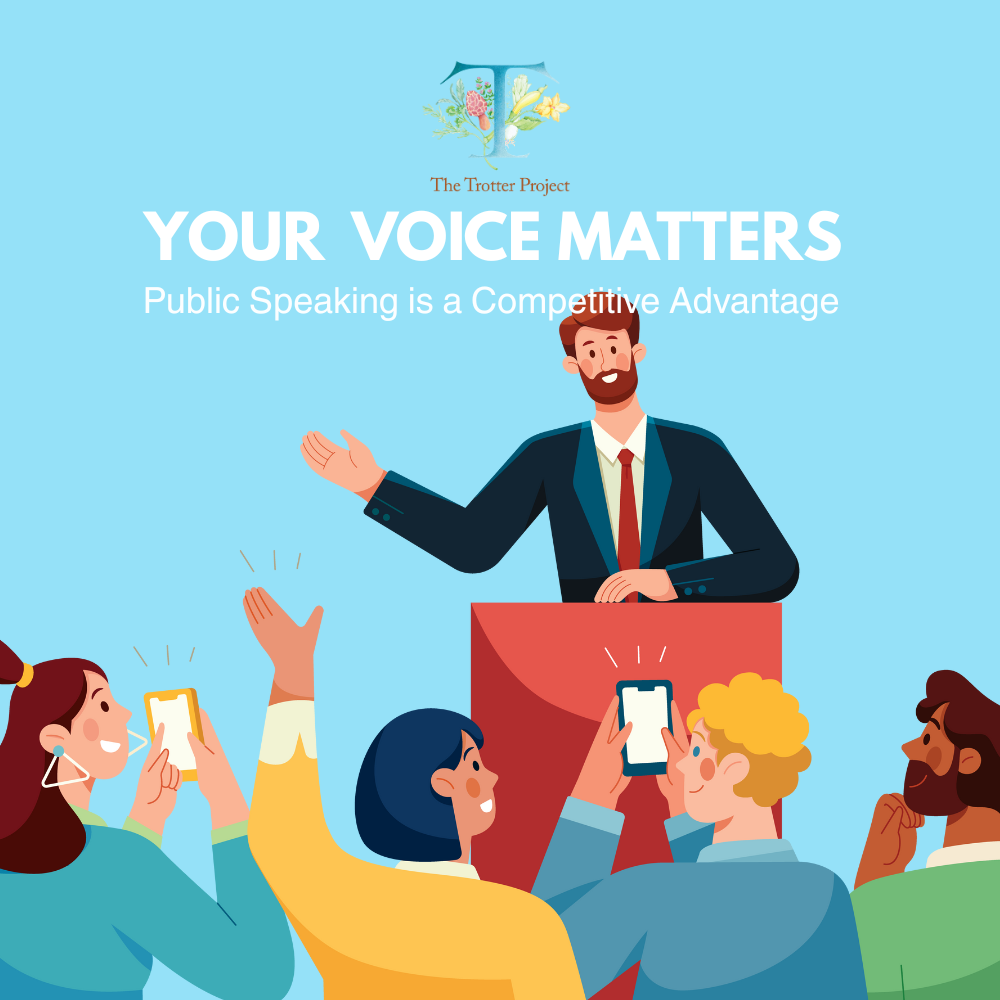
Public speaking is one of those skills that everyone knows is important, but few feel comfortable doing. Whether it’s giving a class presentation, pitching an idea, interviewing for a scholarship, or leading a team in your future career, your ability to speak clearly and confidently in front of others will shape how people see you and how you see yourself.
Let’s break down why it matters and how you can start improving today. We made a quick guide to help you as you practice and master your public speaking skills! DOWNLOAD NOW.
Why Public Speaking Matters
1. It builds confidence.
Speaking in front of others teaches you how to manage nerves, organize your thoughts, and express yourself clearly. Over time, you’ll notice this confidence shows up in other areas — from interviews to networking events to leadership roles.
2. It improves communication.
Public speaking forces you to think about how to connect with an audience. That means learning how to listen, adapt your tone, and use storytelling to make your ideas land — valuable skills in every career path.
3. It opens doors.
Great communicators stand out. Whether you’re applying for a leadership position, pitching an idea, or interviewing for college, strong speaking skills make you memorable and trustworthy.
4. It helps you lead.
Every leader needs to inspire, influence, and inform others. The best way to do that is through clear, confident, and empathetic communication — the heart of effective public speaking.
Common Myths About Public Speaking
Myth #1: “Some people are just born good speakers.”
In reality, public speaking is a learned skill — not a natural talent. Even experienced speakers still practice and get nervous.
Myth #2: “You have to be outgoing to be good at it.”
Some of the best speakers are introverts. What matters most is preparation, purpose, and authenticity — not volume.
Myth #3: “If I mess up, everyone will notice.”
Most people won’t notice small mistakes. What they’ll remember is how you made them feel. Keep going, smile, and they’ll stay with you.
How to Get Better at Public Speaking
1. Start small.
You don’t need a stage to practice. Speak up in class discussions, introduce yourself to new people, or volunteer to share ideas in group projects. Small moments add up.
2. Know your message.
Before any presentation, ask yourself: What’s the one idea I want people to remember? Keep everything focused around that message.
3. Practice out loud.
Rehearse in front of a mirror, record yourself, or ask a friend to listen. Practicing aloud helps you hear your pacing, tone, and clarity.
4. Learn to pause.
Silence is powerful. Instead of rushing, take short pauses to breathe, emphasize points, and let your audience absorb your message.
5. Watch and learn.
Study great speakers — TED Talks, YouTube presentations, or even your favorite teachers. Notice their body language, storytelling, and how they connect emotionally.
6. Get feedback.
Ask teachers, mentors, or friends for constructive feedback. What felt authentic? What could be stronger? Growth happens when you seek reflection, not perfection.
7. Keep showing up.
The only way to get comfortable speaking is to keep doing it. Every time you speak, you improve — even when it doesn’t go perfectly.
Final Thoughts
Public speaking isn’t just about standing at a podium. It’s about using your voice — to share ideas, inspire others, and make a difference. The more you practice, the more you’ll realize that confidence isn’t about being fearless. It’s about action regardless of how big or small.
So start where you are, speak from the heart, and remember — your voice matters.